

Recap of the 28th Harvard College China Forum|Technology & Innovation Track
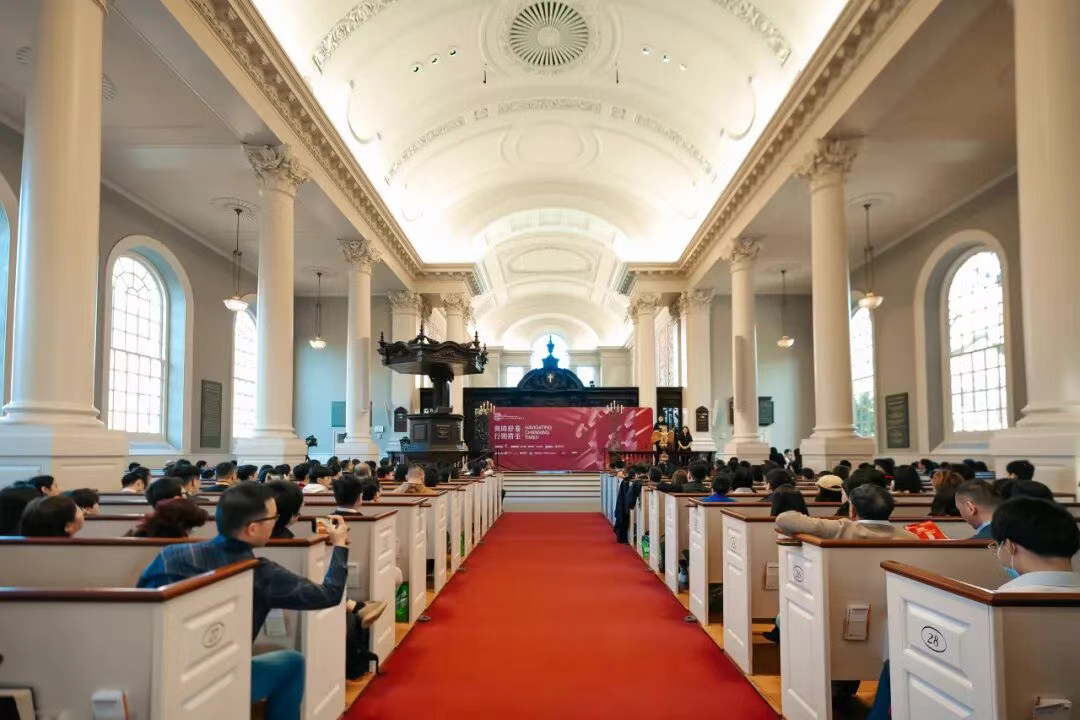
At a time of global uncertainty, fostering mutual understanding and deeper cooperation remains the right direction for both China and the United States. The Harvard China Forum has long provided an essential platform for such dialogue. From April 4 to 6, 2025, the 28th Harvard College China Forum was held at Harvard University. As the largest and longest-running student-organized forum in North America focusing on China and U.S.–China relations, this year’s forum—centered on the theme “Flow with the Times, Arrive by Action”—brought together more than 140 speakers and 1,200 participants, including leaders across sectors, founders, and scholars. Discussions explored the future of U.S.–China relations, international development, and global cooperation.
The Technology & Innovation Track convened leading thinkers from academia and industry to examine how technological breakthroughs are reshaping industries and human life. Discussions spanned AI ethics, corporate transformation, and global collaboration.
The Rise and Future of Artificial Intelligence
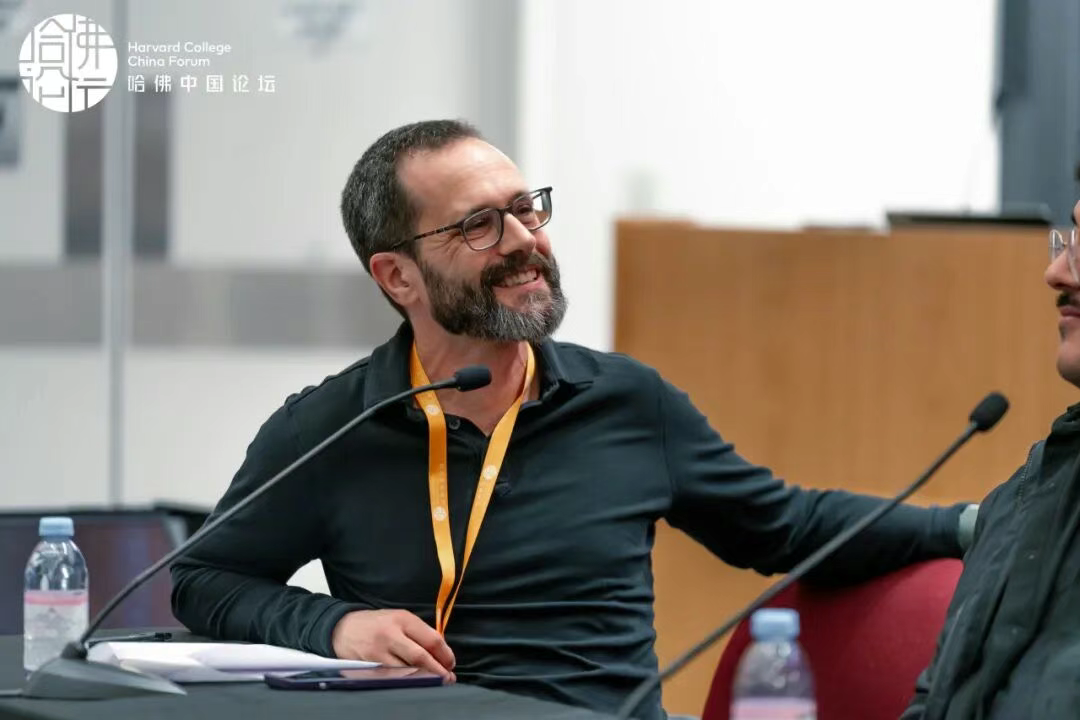
This session brought together academic and industry pioneers to discuss the transformative power and far-reaching implications of AI. Speakers drew from firsthand experiences to illustrate AI’s journey from theoretical research to real-world applications. One entrepreneur shared insights from his PhD research on “liquid neural networks,” showing how the technology can make AI services more efficient and personalized.
The conversation shifted to practical business deployments of AI. Case studies included global agent networks enabling 24/7 customer service—independently resolving over 80% of inquiries—and AI-driven threat detection in cybersecurity.
Panelists also examined the competitive-yet-cooperative dynamics between China and the U.S. in AI, noting that open-source collaboration and complementary strengths in manufacturing and design will be critical drivers of global innovation.
A forward-looking discussion on “AI agents” highlighted systems capable not only of responding to questions but autonomously planning and executing tasks—from preparing meeting materials to completing online purchases—potentially evolving into a “digital representative” for every individual.
Yet, as AI capabilities grow, so do the challenges. Speakers stressed the need to embed ethical frameworks from the outset and establish verifiable safety mechanisms to balance innovation with risk.
Brain Science and Human Health
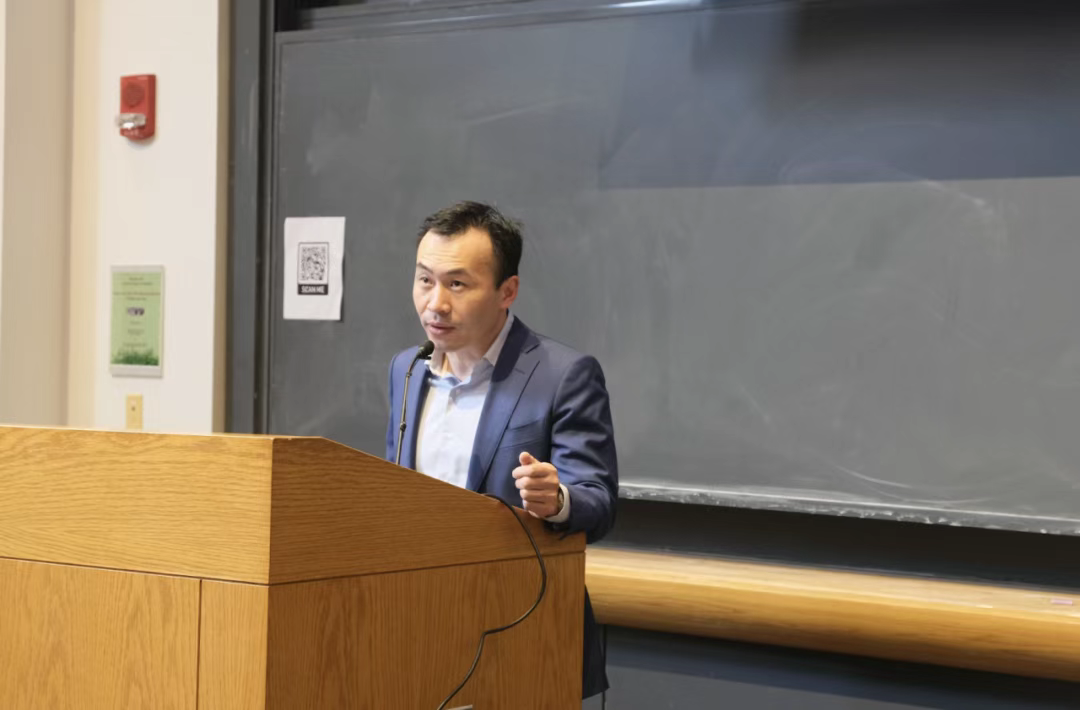
As technological and life science innovation increasingly shapes the global future, brain science has emerged as a frontier field capturing wide international attention. This session focused on advances in brain development and brain nutrition.
Experts emphasized the importance of critical windows in brain development, with lifelong implications for cognition and health. Scholars introduced ongoing research centered on the “first 1,000 days of life,” where scientific insights are rapidly moving toward practical applications. Industry leaders from China shared long-term investments and strategic efforts in the brain science and nutritional science sectors.
A Yale scholar explained how nutrition, the microbiome, and the immune system jointly regulate neurodevelopment, highlighting the “gut–brain axis”—a bidirectional communication system that helps explain phenomena like stress-induced gastrointestinal discomfort and its significance for cognitive outcomes.
Multimodal Artificial Intelligence: Driving the Next Wave of Consumer Technology
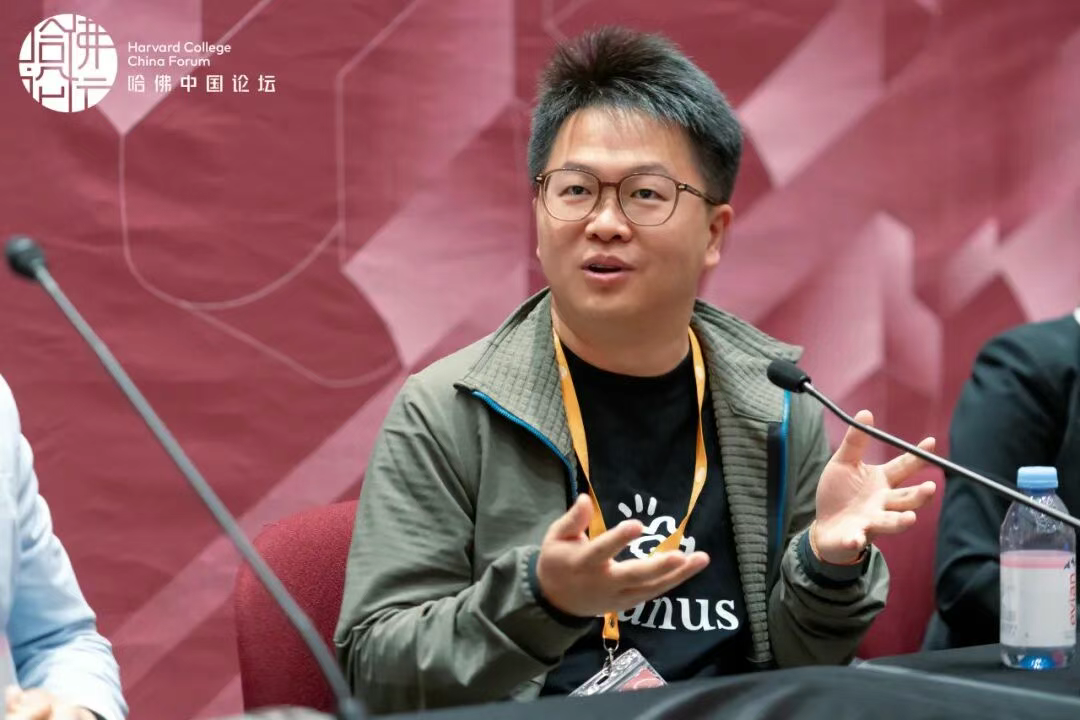
This session examined the application of AI in both consumer-facing and enterprise scenarios, the challenges of implementation, and future trajectories. Speakers drew on entrepreneurial successes and failures to emphasize a shared design philosophy: technology should fade into the background, seamlessly serving real user needs rather than showcasing complexity.
Panelists analyzed current constraints in AI development, including multimodal understanding, model cost and controllability, and the need for vertically specialized AI agents. They also discussed how AI is reshaping organizational structures and business operations, underscoring the importance of clear business models, user trust, and problem-driven frameworks for sustaining innovation.
Looking ahead, panelists agreed that deeper AI integration into healthcare, education, and environmental protection will be a major force for societal progress.
Transformation and the Future in the Age of Intelligence
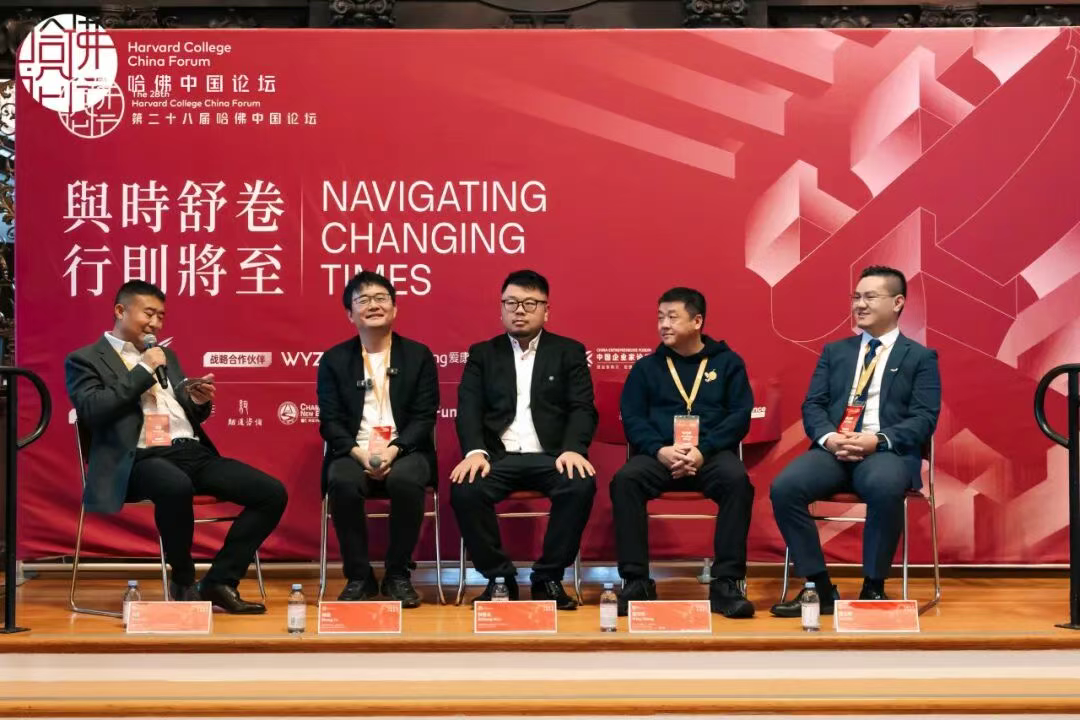
This session explored the full technology stack of AI, with experts across the value chain mapping the evolution of intelligent systems.
Speakers noted that continued advancements in computing infrastructure and systems engineering are accelerating breakthroughs in generative and agentic AI—enhancing perception, decision-making, and action. Robotics is rapidly expanding from industrial environments into public services and everyday applications.
In human–machine interaction, non-invasive brain–computer interfaces are emerging as promising entry points for rehabilitation and assistive technologies. In machine–machine coordination, autonomous driving continues to improve road safety through robust perception–control loops, though challenges remain in reliability, compute efficiency, and regulatory frameworks.
Panelists emphasized prioritizing “technology equity”—directing scarce innovation resources toward groups with the greatest need—and called for responsible engineering and coordinated ecosystem development. The consensus: China has established global competitiveness in AI and smart mobility, and future leadership must align commercial success with societal value.
The Evolving Role of Bitcoin in the Financial System
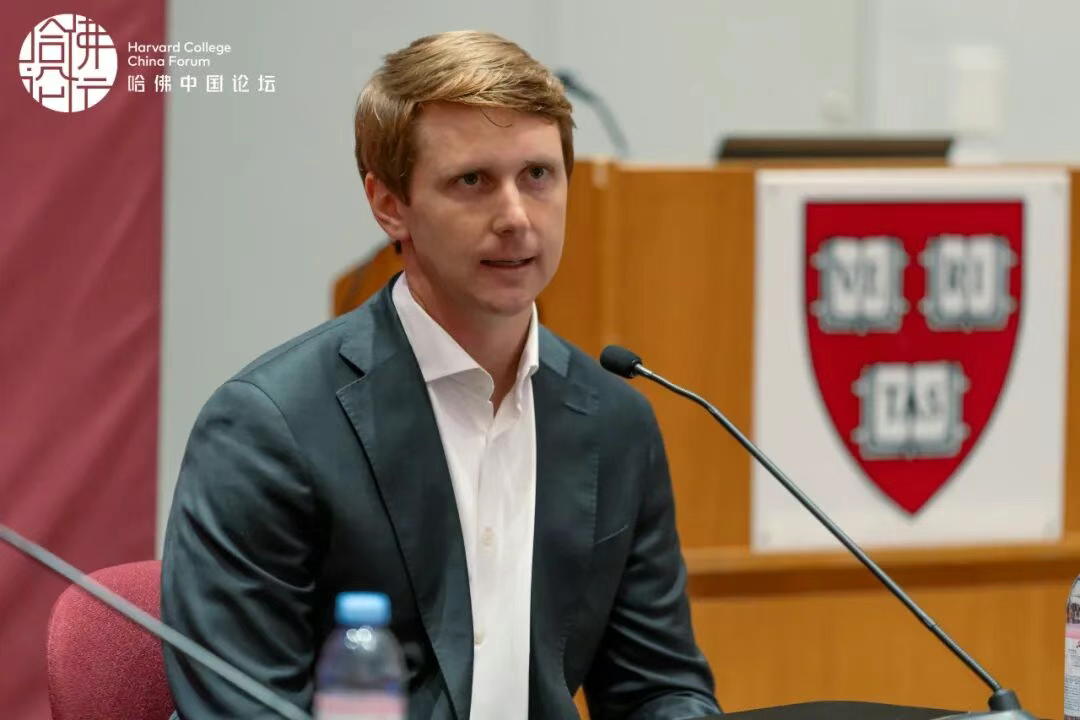
This session delved into the shifting dynamics of cryptocurrencies and digital assets. Panelists observed growing institutional and mainstream participation, with venture capital flowing into the sector and investors engaging in Asian and global markets through equity, ETFs, and other vehicles. They noted that economic and regulatory developments—particularly in the U.S.—have become major drivers of market volatility.
Discussion also highlighted the rise of central bank digital currencies (CBDCs) and their potential impact on traditional monetary systems. Despite high technical complexity and development costs, ongoing blockchain innovation continues to push forward scalable solutions and new financial infrastructure.
Speakers agreed that effective risk management, careful evaluation of non-cash-flow assets, and the ability to navigate market cycles are essential for long-term success.
Biotechnology: Innovation, Translation, and Application
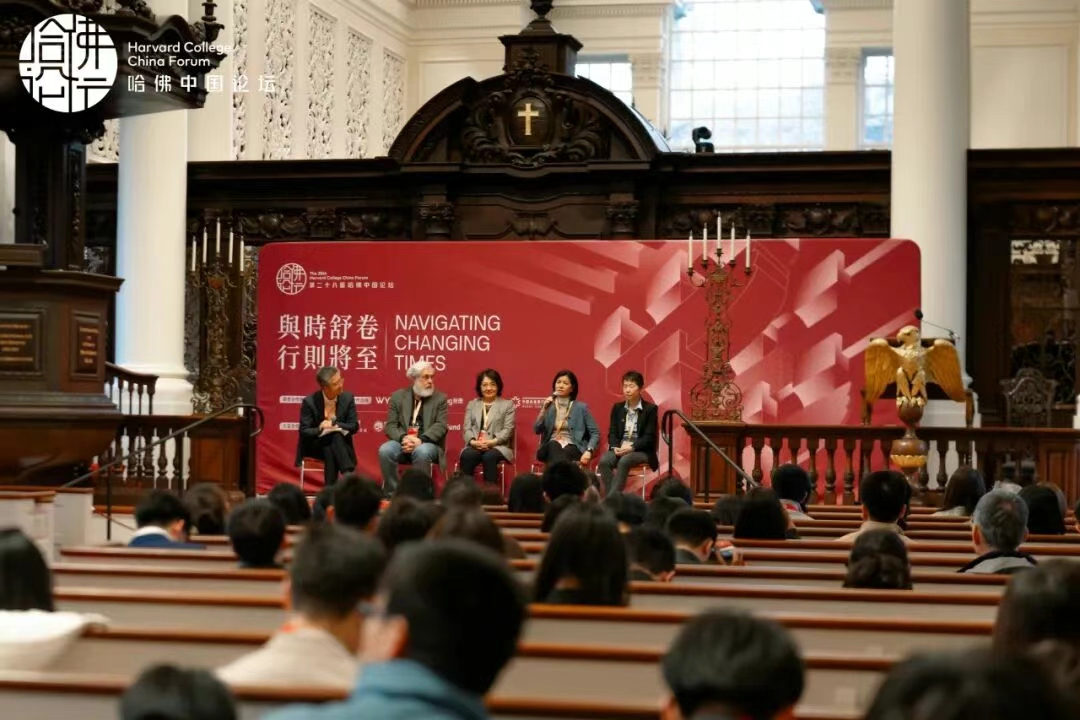
This session analyzed the end-to-end innovation pathway from basic research to clinical application. Panelists identified five core drivers of the next five years: multimodal AI and biological foundation models; single-cell and spatial omics; high-throughput automation and cloud labs; programmable delivery and in vivo editing; and continuous and modular biomanufacturing.
AI is already accelerating target discovery, lead molecule screening, safety prediction, trial design, and indication selection. Key clinical translation challenges include inconsistent data standards, manufacturing reproducibility, limited clinical interpretability, and slow physician adoption.
Speakers emphasized evaluating commercial potential through effectiveness, mechanistic verifiability, CMC scalability, regulatory clarity, target population size, and capital efficiency.
The forum called for milestone-based investment and task-oriented collaboration to bridge academia and industry. Technology convergence—such as spatial omics + causal inference for target stratification or protein models + generative chemistry for molecule design—was highlighted as a future growth engine.
Longevity Science: The New Frontier of Healthcare
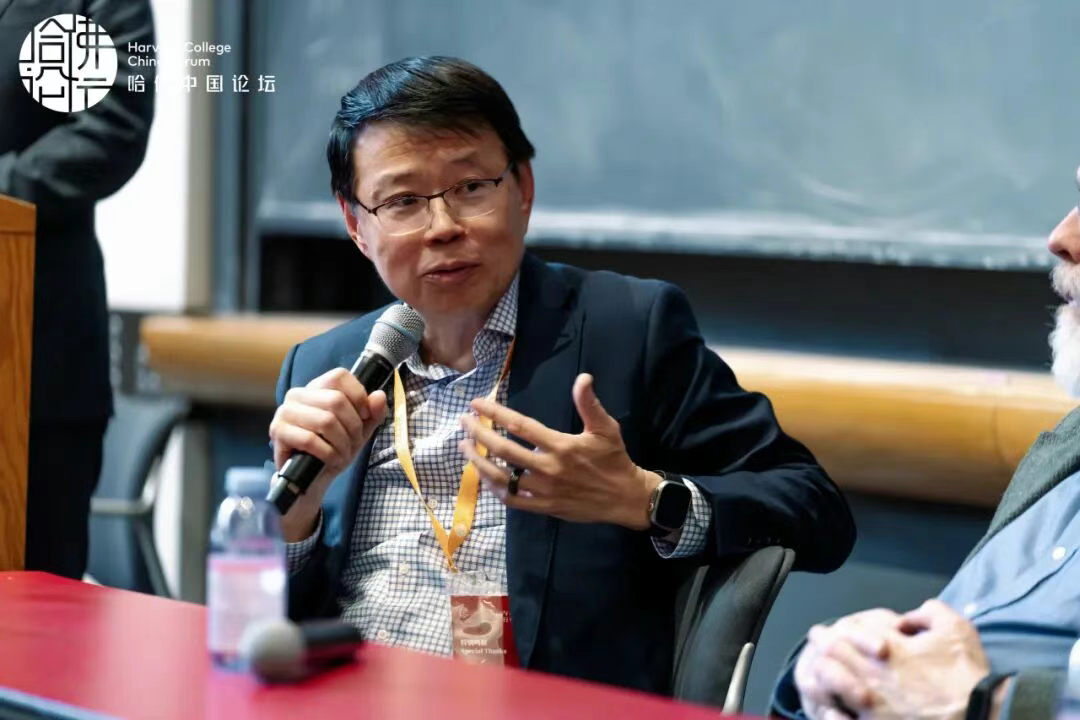
Centered on the theme “From Mechanism to Clinic, From Lab to Life,” this session explored the science behind extending healthy lifespan.
Speakers noted a shift from cellular rejuvenation to system-level restoration as the most promising avenue for longevity research. With advances in multi-omics, single-cell technologies, and AI, investigations are moving from descriptive phenomena toward mechanistic, testable insights.
On the widely discussed question of reversing or slowing aging, panelists took a pragmatic stance: measurable, repeatable biological indicators are essential for evaluating whether someone is truly “getting younger.” These may include biological clocks, inflammation markers, tissue function, and physical performance.
Barriers to clinical adoption include the absence of unified biomarkers, limitations in delivery technology and safety boundaries, and regulatory frameworks that lag behind multi-system interventions.
Speakers recommended focusing initial applications on high-risk populations, using mechanism-driven endpoints supported by real-world evidence. Near-term scalable opportunities include senolytics, metabolic and inflammation interventions, and biological-clock–based monitoring and lifestyle programs. More advanced approaches, such as systemic epigenetic reprogramming, remain in early development.
Conclusion
Across diverse fields, the Technology & Innovation Track converged on a shared direction: start from real needs, rely on rigorous engineering and compliance, and target meaningful clinical and industrial outcomes.
Speakers underscored that open collaboration, shared data and standards, and coordinated talent and regulatory development are essential for transforming cutting-edge breakthroughs into broadly accessible benefits.
Looking ahead, technological innovation and social responsibility will progress in tandem—powering industrial upgrading and advancing public well-being through more efficient and inclusive pathways.