

IBI Invited to National E-commerce Working Conference to Share Experience
On February 25, 2025, IBI was invited to attend the National E-commerce Working Conference and shared its experience as a representative of an outstanding industrial e-commerce platform.
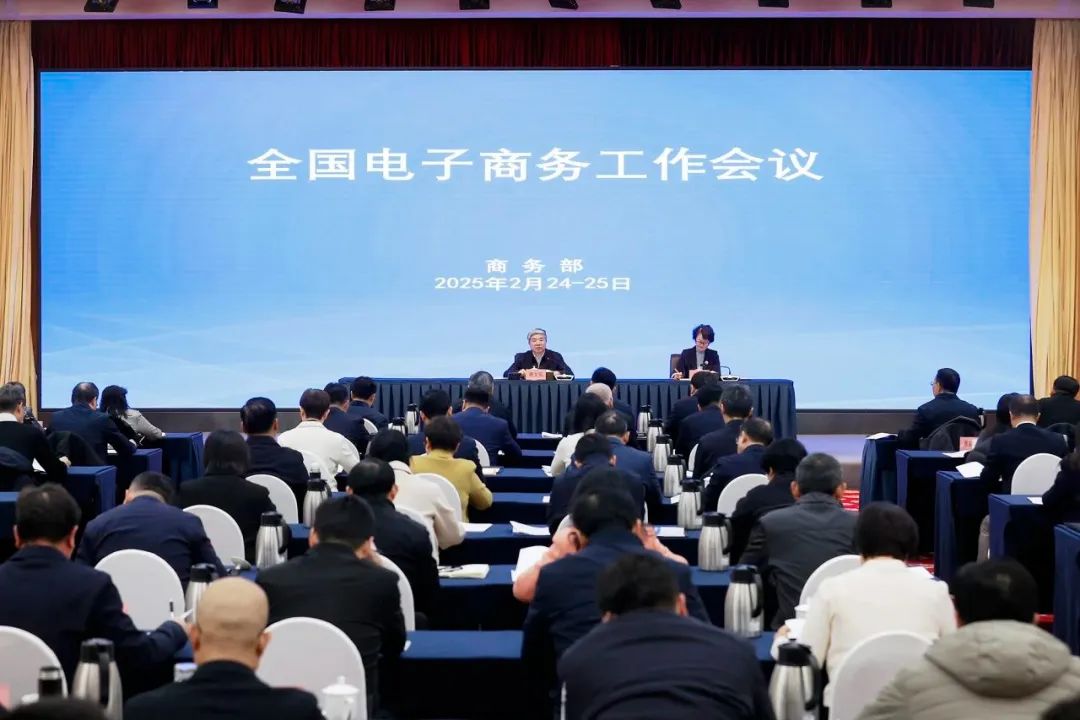
The National E-commerce Working Conference was held in Beijing from February 24 to 25. Tang WenHong, a member of the Party Leadership Group and Assistant Minister of Commerce, attended the meeting and delivered a work report. The conference provided a comprehensive summary of the achievements in e-commerce in 2024, analyzed the development landscape, and outlined key tasks for 2025.
The conference noted that in 2024, the national commerce system resolutely implemented the decisions and deployments of the CPC Central Committee and the State Council, solidly advanced the high-quality development of e-commerce, and promoted the digital transformation of various commerce sectors, achieving positive progress.
Consumer e-commerce gathered new momentum for growth, with a 7.2% increase in national online retail sales in 2024. China has been the world's largest online retail market for 12 consecutive years. Industrial e-commerce created new channels for the integration of the digital and real economies. Nearly 500 industrial matching events were organized nationwide, fostering over 2,000 "e-commerce + industrial belt" collaborations and driving synergistic innovation across industrial chains. "Silk Road E-commerce" expanded new frontiers for international cooperation, with the number of partner countries increasing to 33. All 38 tasks across three areas in the pilot zones were fully advanced, providing institutional support for opening up in the e-commerce sector. The three-year action plan for digital commerce saw effective implementation, and the digitalization level of all commerce sectors steadily improved, becoming a new engine for developing new quality productive forces.
The conference emphasized that 2025 is the final year of the "14th Five-Year Plan." Commerce authorities at all levels must align their thoughts and actions with the decisions of the CPC Central Committee and the State Council, positioning their work on the "three key priorities" of commerce. They must coordinate development and security, focusing on integrating online and offline activities, creating a favorable e-commerce ecosystem, expanding digital consumption, and empowering industrial transformation. They should also focus on domestic and international coordination, expanding institutional opening up in the e-commerce sector at a high level, promoting high-quality "Silk Road E-commerce" cooperation, and strengthening the e-commerce production and supply chains. Additionally, they must concentrate on the digital transformation of the commerce sector, improving the quality and effectiveness of the three-year digital commerce action plan, and enhancing digital governance capabilities to contribute the power of e-commerce to the high-quality development of commerce.
Representatives from commerce authorities of provinces, autonomous regions, municipalities, and the Xinjiang Production and Construction Corps attended the meeting. Relevant central government and State Council departments were also present. Some local and enterprise representatives shared their experiences. (The above content is an excerpt from the Ministry of Commerce News Office.)
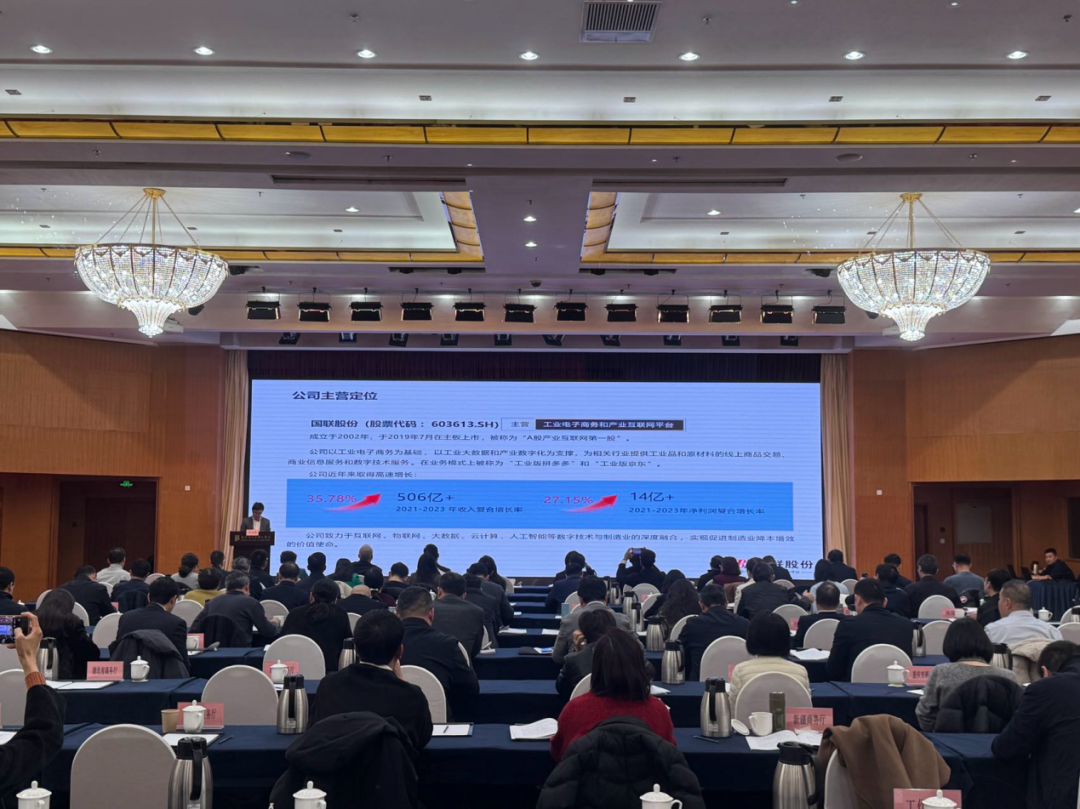
During the experience-sharing session, Pan Yong, Secretary of the Board and Senior Vice President of IBI, delivered a presentation titled "Helping Traditional Enterprises with Digital Transformation to Enhance Efficiency in Industrial Chain Collaborative Innovation."
He stated that IBI closely follows national policy guidance and has achieved significant innovative practical results by actively expanding its four core businesses: industrial e-commerce, industrial digitalization, cross-border e-commerce for industrial belts, and industrial big data. By building multi-category e-commerce trading platforms, the company has effectively driven cost reduction and efficiency improvement across industrial chains. Through industrial digitalization, it helps traditional industries achieve digital transformation and efficient upstream-downstream collaboration. The cross-border industrial belt model allows for supply chain restructuring, enabling SMEs in industrial belts to "go global" together. Furthermore, leveraging industrial big data and AI technology fully activates the core value of the future industrial internet, providing data-driven decision support for industrial development.
IBI began with digital transactions and has progressively extended into digital supply chains, digital factories, and digital industries. This has effectively promoted efficient collaboration within the industrial and supply chains, driving the deep integration of e-commerce and the real economy, and making a significant contribution to building a new development paradigm.
In the future, IBI will continue to adhere to its core industrial internet development strategy of "platform, technology, and data." It will continue to deeply cultivate vertical industries, constantly deepen the application of industrial e-commerce, industrial digitalization, and industrial big data, and fully utilize digital, big data, and AI technologies to further assist the digital transformation of China's traditional industries and contribute to the high-quality development of industrial chains.