

IBI Deepens Cooperation with Pakistan, Launching a New Chapter
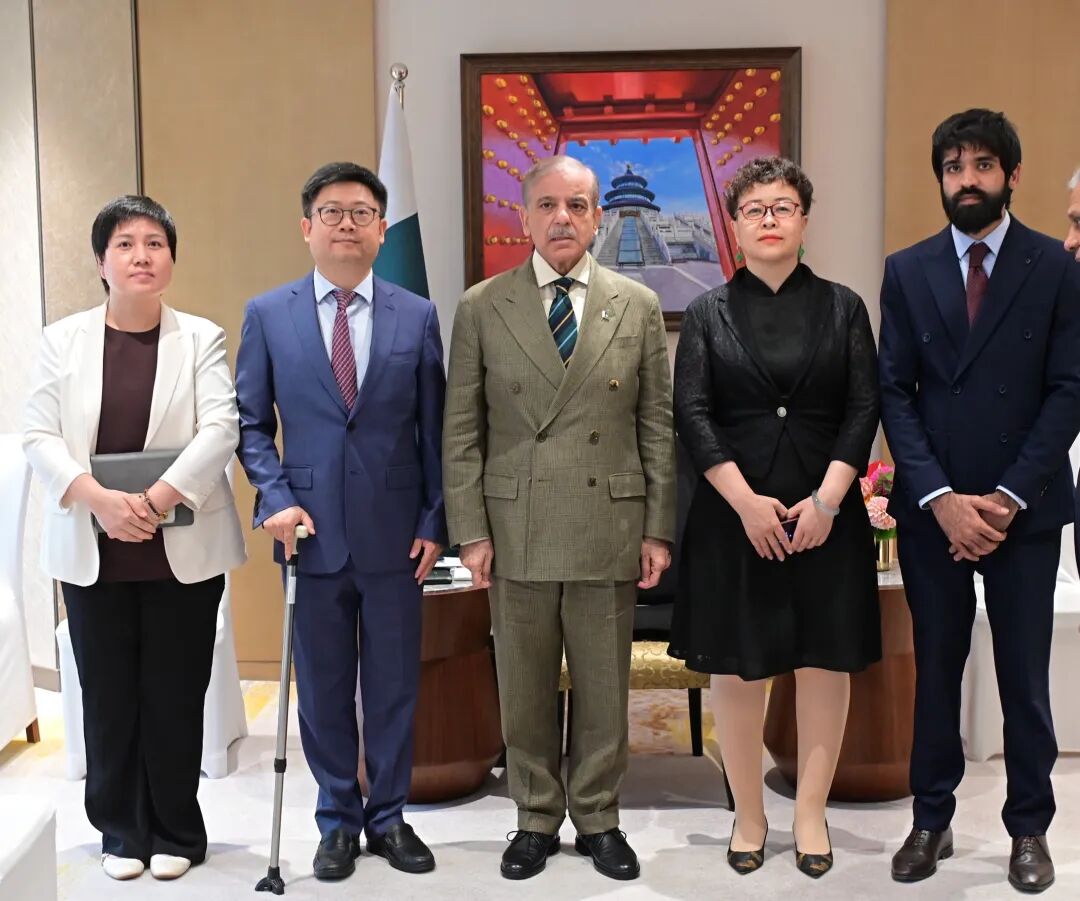
From September 1 to 6, Pakistani Prime Minister Shehbaz Sharif visited China to attend the Shanghai Cooperation Organization summit and the commemoration of the 80th anniversary of China’s victory in the War of Resistance Against Japanese Aggression. On September 3, an IBI team met with Prime Minister Shehbaz Sharif and held special business matching sessions with relevant Pakistani departments.
On September 4, IBI co-organized the China-Pakistan B2B Investment Summit.
On September 10, IBI, together with 15 key Pakistani enterprises, appeared in the Pakistan exhibition area at the China International Fair for Trade in Services.
Thus, with these actions, IBI is deepening its cooperation with Pakistan and opening a fresh chapter.
High-level Business Matching: Meeting the Pakistani Prime Minister
On September 3, Qian Xiaojun (Founder & CEO of IBI), accompanied by Liu Zhai (Director & Senior VP) and Daniel (General Manager of TDD Global), met Prime Minister Shehbaz Sharif. Qian conveyed warm greetings and gratitude. He introduced IBI’s three core growth trajectories in industrial e-commerce, industrial digitalization, and cross-border industrial belts. He emphasized: “In recent years, our company has actively responded to the Belt and Road Initiative, steadily strengthening cross-border industrial belt service capabilities, and is committed to using digital technologies to drive modernization of industrial chains and supply chains. China and Pakistan share a long-standing friendship and close trade relations. IBI will leverage its strengths in digital supply chains, industrial e-commerce, and cross-border trade to help Pakistani enterprises solidify digital infrastructure, optimize industrial ecology, and improve global market connectivity. We wish to contribute digital strength toward building a new era China–Pakistan community with a shared future.”
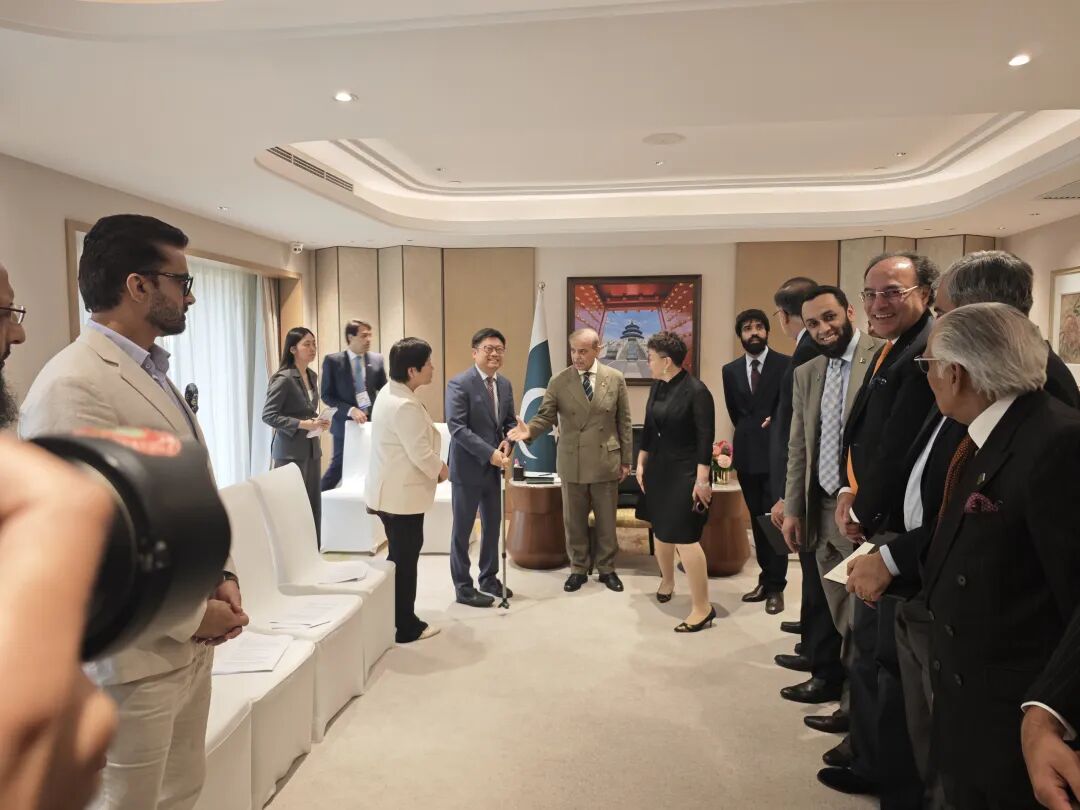
Liu Zhai stated that IBI will draw on its deep accumulation in industrial internet and digital supply chain domains to cooperate with Pakistan in multiple dimensions:
Co-build cross-border e-commerce platforms that integrate bilateral industrial resources and expand trade ecosystems to efficiently link to global markets.
Develop a modern digital supply chain system by constructing smart logistics and warehousing networks to elevate local distribution and regional circulation efficiency in Pakistan.
Promote digital connectivity at key nodes, coordinate with Pakistani agencies to streamline customs, taxation, finance, foreign exchange, commerce, ports, and other core elements—realizing end-to-end digital empowerment of cross-border trade.
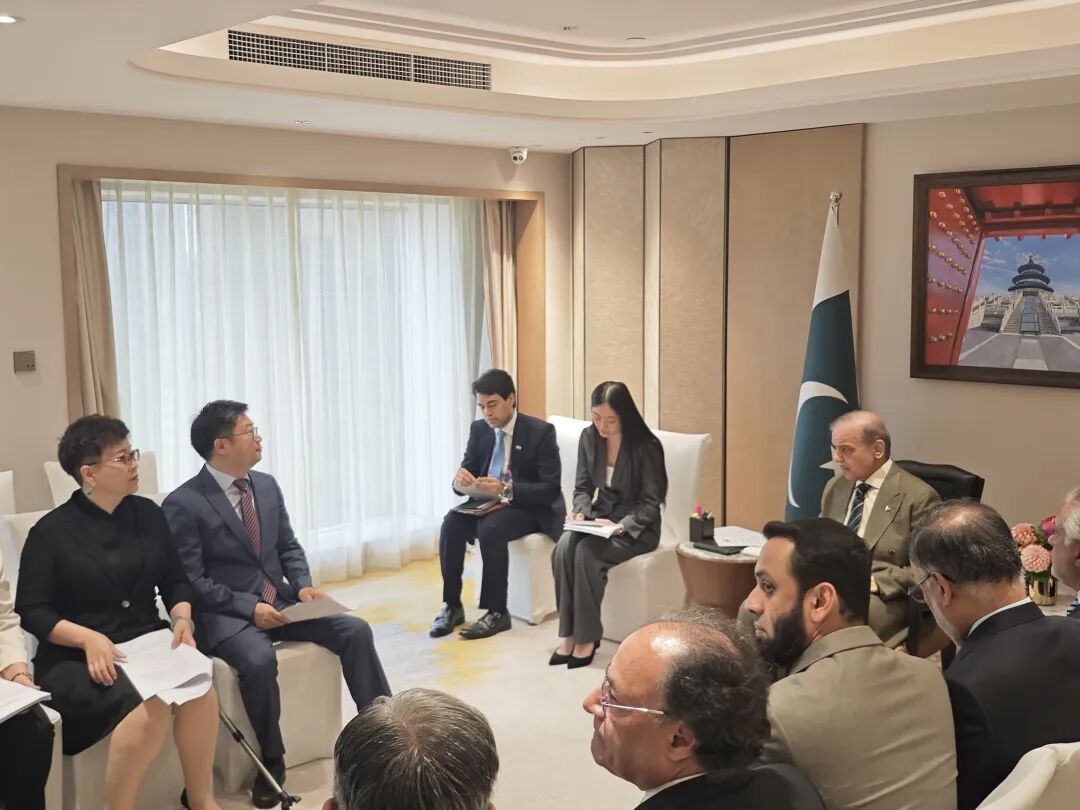
Prime Minister Shehbaz Sharif praised IBI’s innovation and comprehensive strength in the industrial internet and digital supply chain sectors. He noted: “Pakistan is actively pursuing economic transformation, focusing on mining, chemicals, agriculture, IT, and other pillar industries, striving to become a regional digital hub. In recent years, the China–Pakistan Economic Corridor (CPEC) has achieved notable progress, providing a solid platform for cooperation. IBI’s strengths in empowering industrial belts and building cross-border e-commerce ecosystems align strongly with Pakistan’s current development needs.” The Prime Minister directed that Pakistan’s National Investment Commission, the Special Investment Promotion Commission, the Ministry of Industries, the Ministry of Information Technology, and other core departments immediately launch cooperation and technical liaison mechanisms, accelerate project implementation, and invited the IBI team to visit Pakistan soon for in-depth negotiations and joint development.
“CPEC 2.0” Enters a New Stage via B2B Investment Summit
On September 4, the China–Pakistan B2B Investment Summit (hosted by the Pakistan Embassy and co-organized by IBI) was held grandly in Beijing. The summit brought together over 2,000 participants from both governments, industry leaders, and experts, with 258 Pakistani companies and more than 600 Chinese enterprises participating. The nine key sectors covered included energy, chemicals, IT, infrastructure, manufacturing, agriculture, mining, textiles, and logistics. Over 1,000 B2B meetings were held, injecting strong momentum into upgrading China–Pakistan economic and trade cooperation.
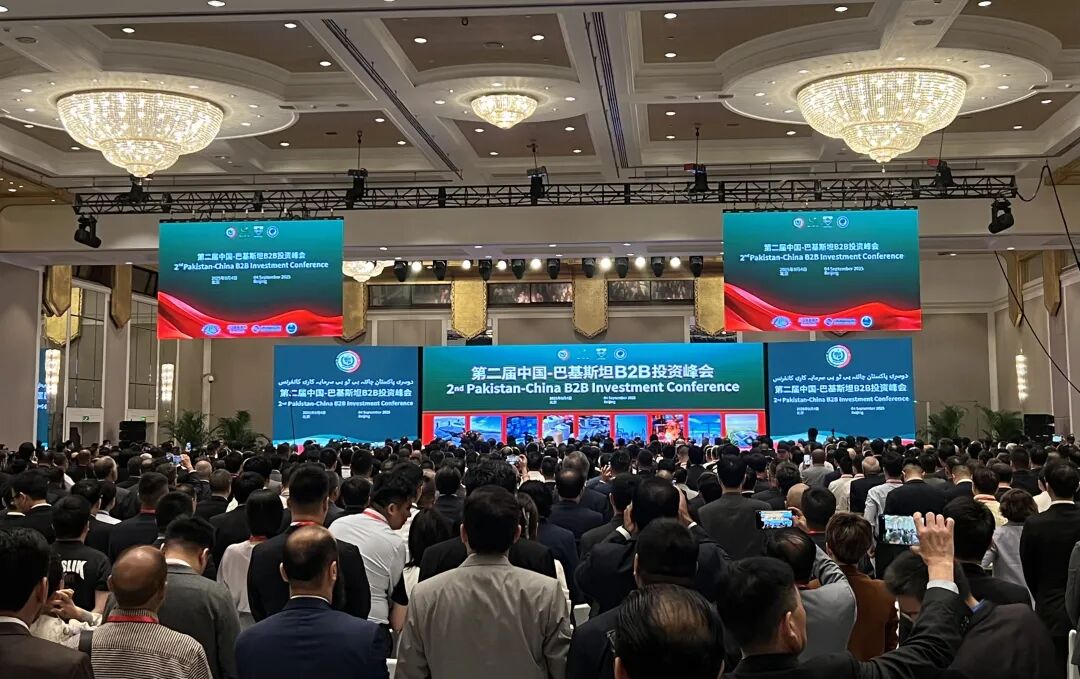
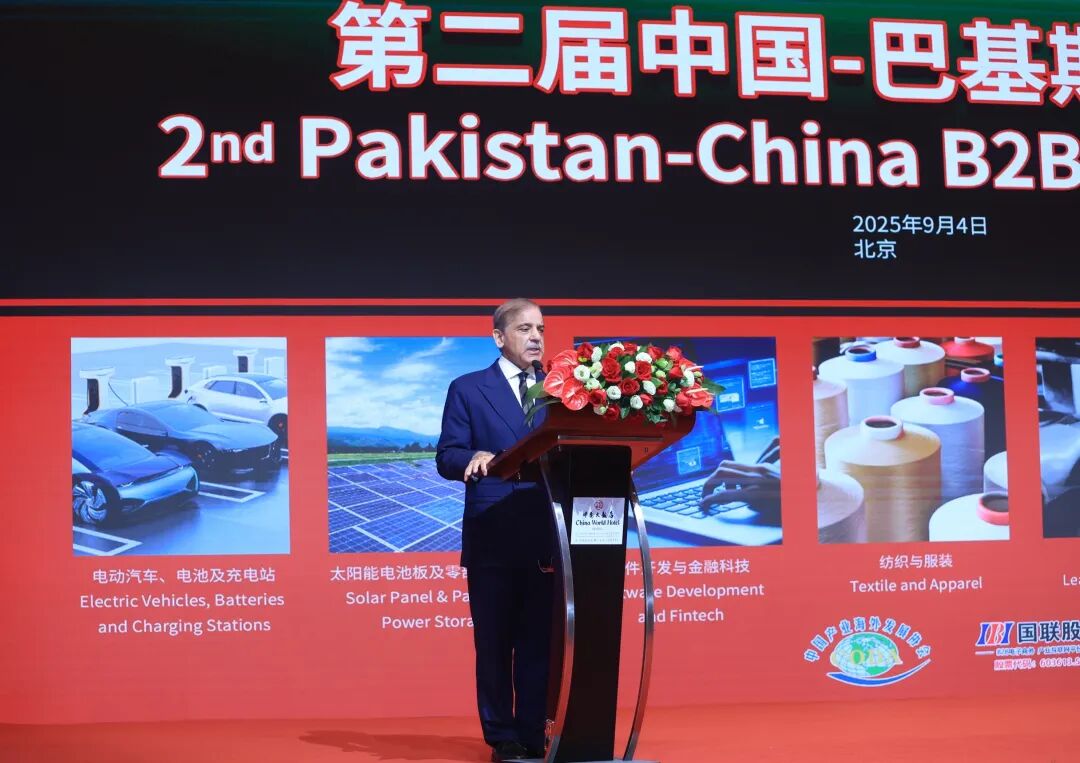
During his speech, Prime Minister Shehbaz Sharif formally announced that CPEC (China–Pakistan Economic Corridor) is entering a new stage of “CPEC 2.0”, driven by enterprise-level investment. He pledged that the Pakistani government will fully optimize the business environment, dismantle investment barriers, and improve policy support to provide Chinese enterprises with more open, efficient, and secure routes for investment and project implementation. He emphasized that Pakistan possesses a rich base of skilled labor, vast market potential, and a shared commitment to prosperity with China. Those Chinese industries seeking to enhance global competitiveness will find in Pakistan a “second homeland.”
Memoranda of Cooperation Signed; Pakistan China Exhibition at CIFTIS Featured
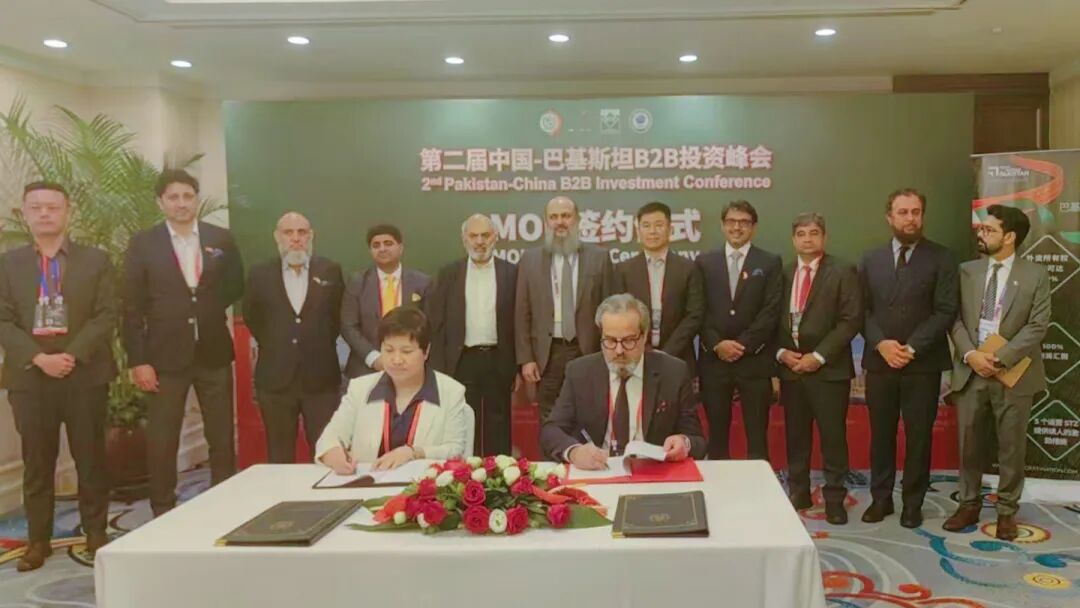
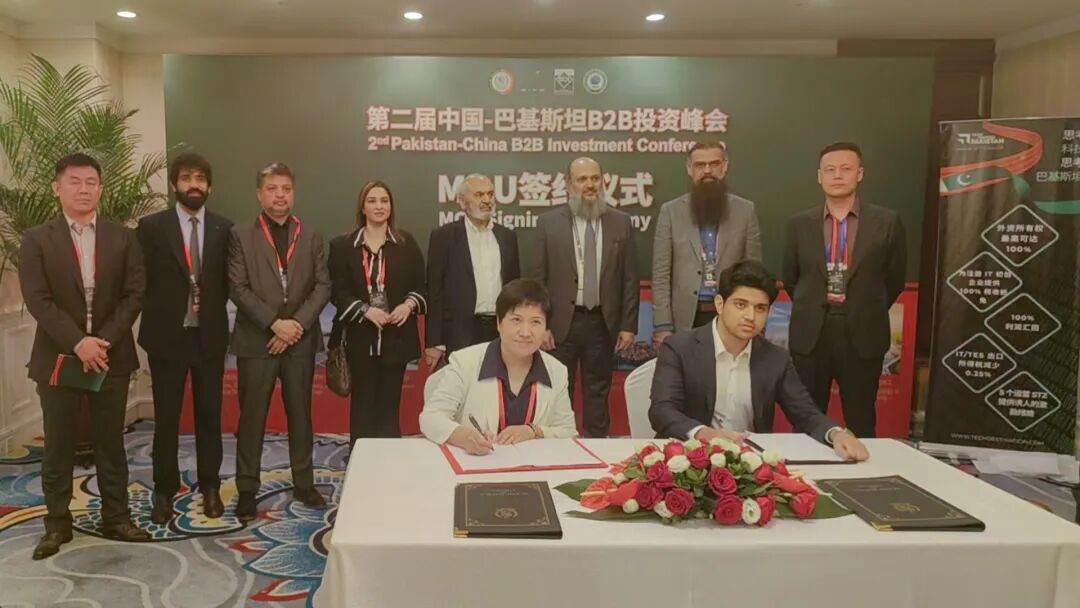
In the signing session, Hu Kun (Vice President of Toodudu) signed memoranda of cooperation with Vision Group Director Abdul Rahman and Chairman Haroon Al Khan of the Pakistan Chemicals Manufacturers Association. The cooperation will focus on the development and operation of the Gwadar Industrial Park in Pakistan, upgrading park infrastructure and digital management. The parties also agreed to establish a joint collaborative supply-demand mechanism, consolidate raw material procurement demands for all tenants and factories within the industrial park, and harness IBI’s platform resource integration and centralized procurement advantages to improve the supply chain efficiency and reduce overall operational costs.
During the 2025 China International Fair for Trade in Services (CIFTIS) on September 10, IBI joined hands with 15 Pakistani key enterprises to showcase the results of China–Pakistan cooperation in digital trade and industrial digitalization in the Pakistan pavilion. Pakistani Ambassador to China Khalil Hashmi, Commercial Counselor Ghulam Qadir, and IBI Senior VP Liu Zhai jointly inaugurated the “Digital Pakistan” pavilion and held in-depth meetings.
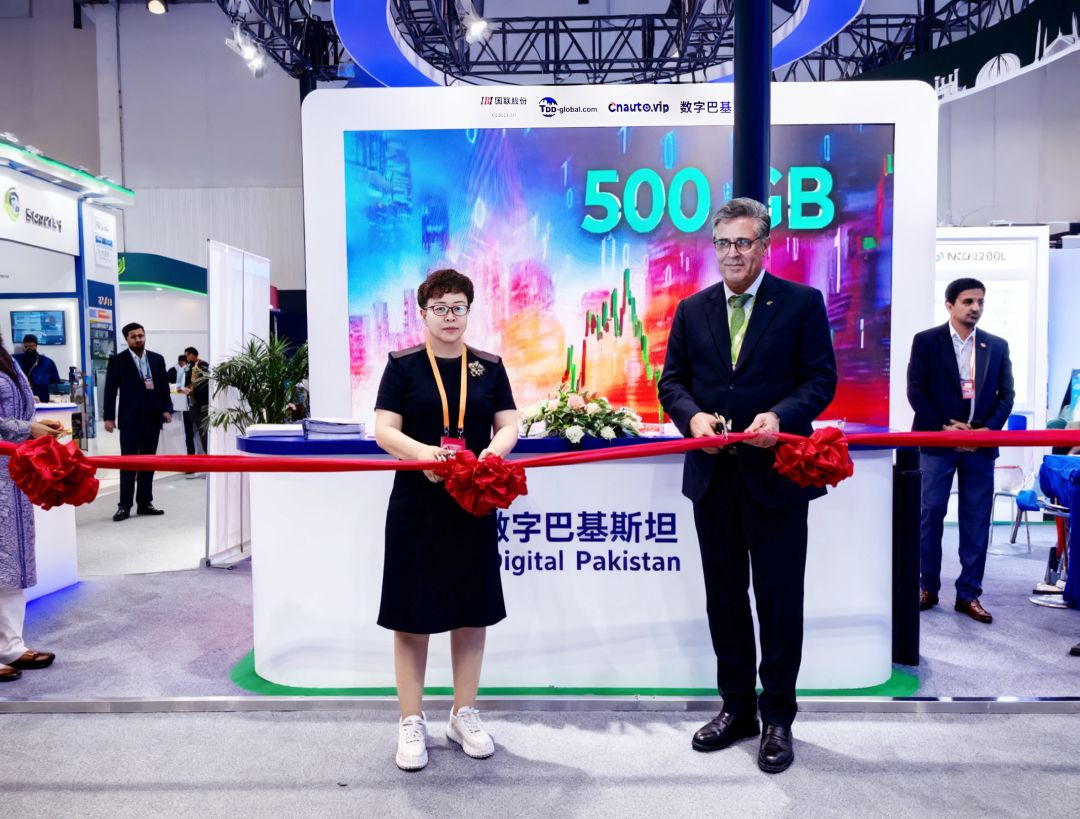
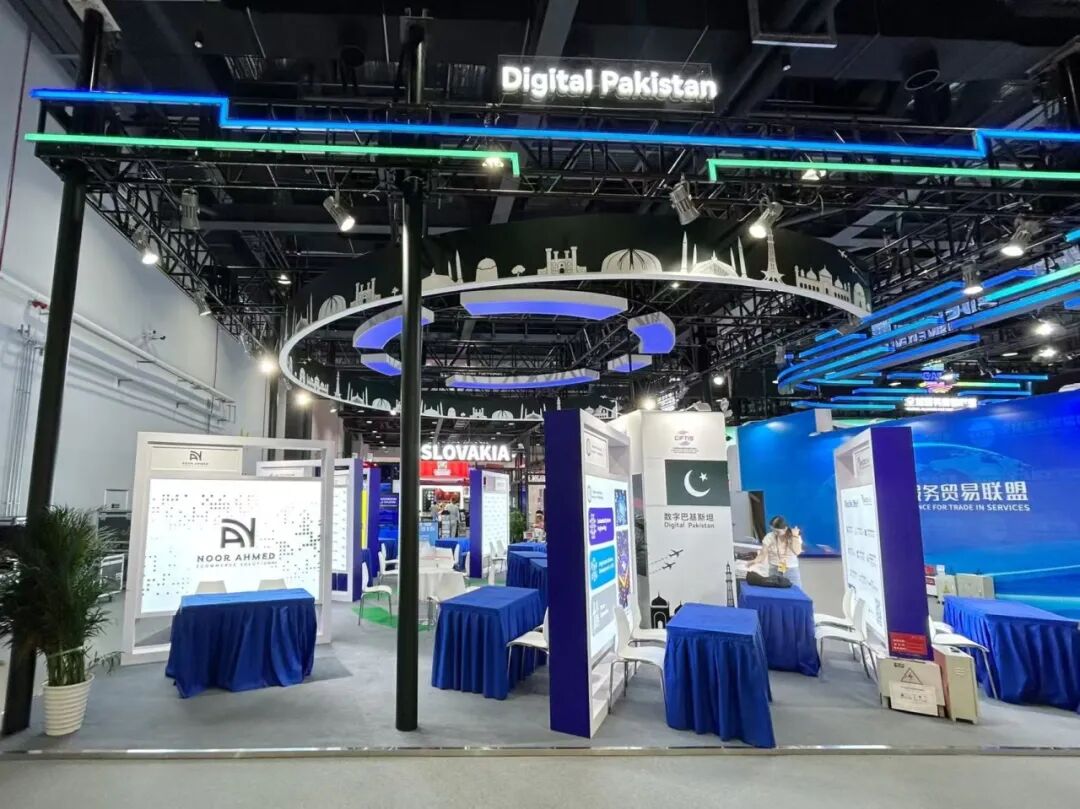
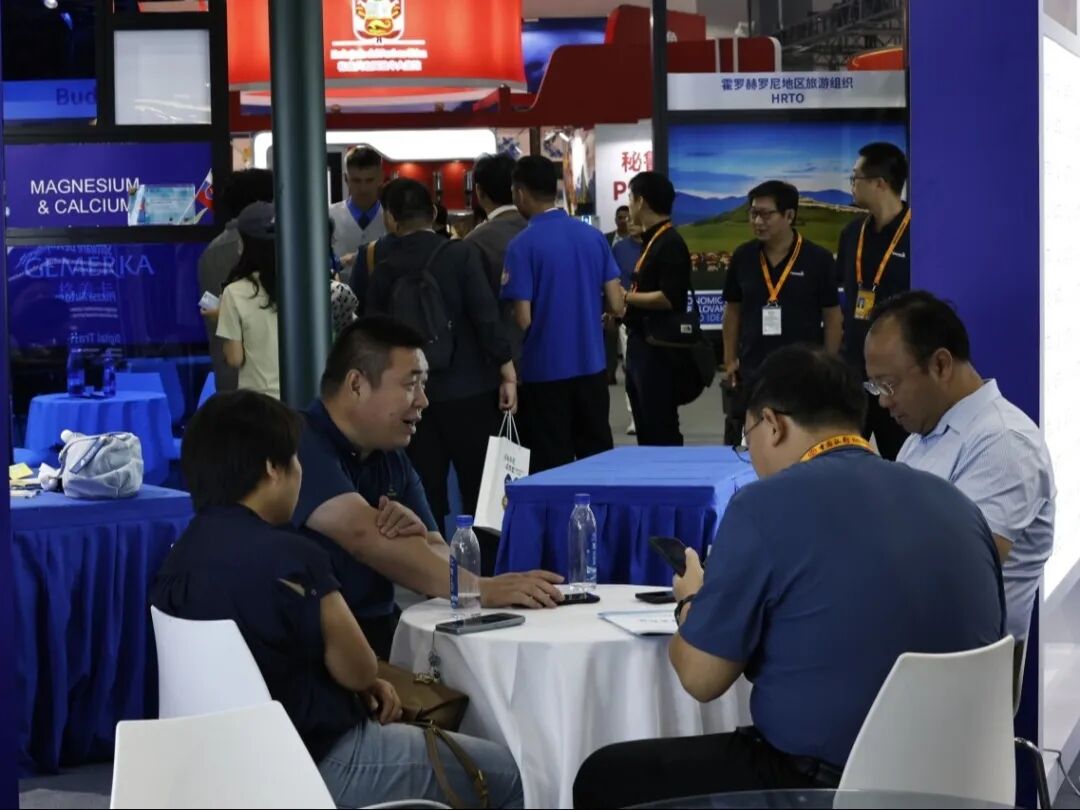
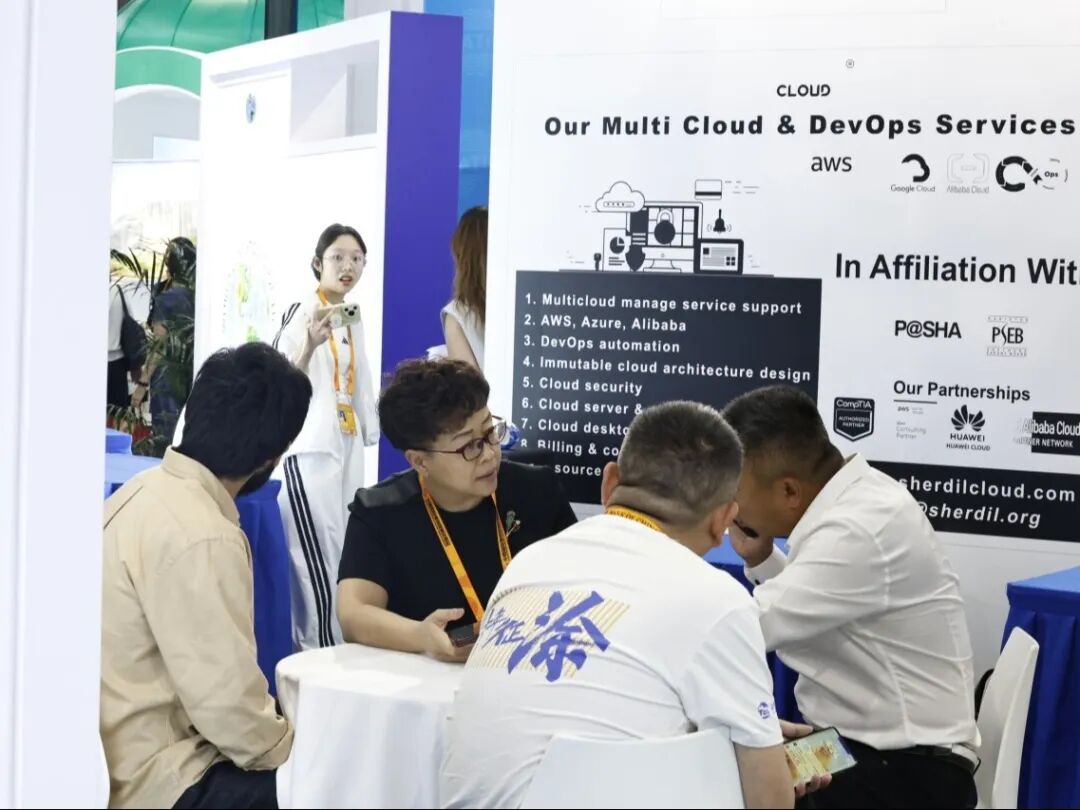
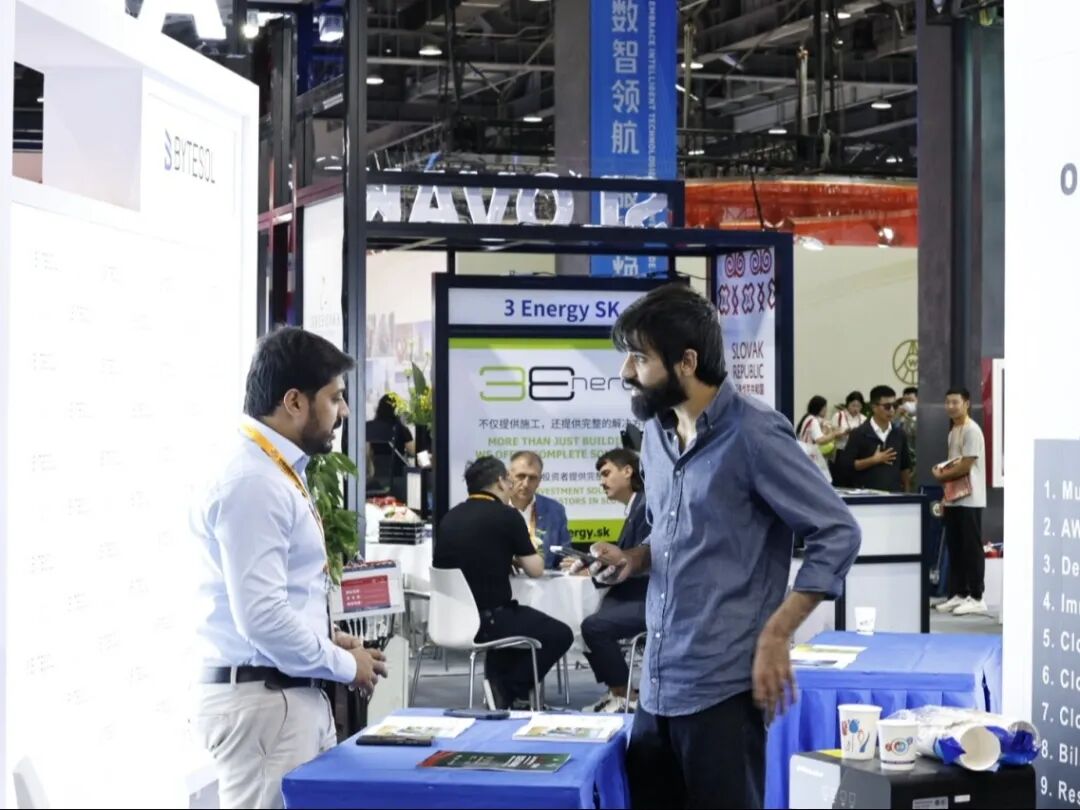
Ambassador Khalil Hashmi and Counselor Ghulam Qadir, accompanied by Liu Zhai, toured the exhibition zone, gaining detailed understanding of IBI’s innovations in industrial internet platforms and cross-border digital supply chain services. They affirmed the practical achievements of IBI’s efforts in promoting Sino–Pakistan industrial digital cooperation.
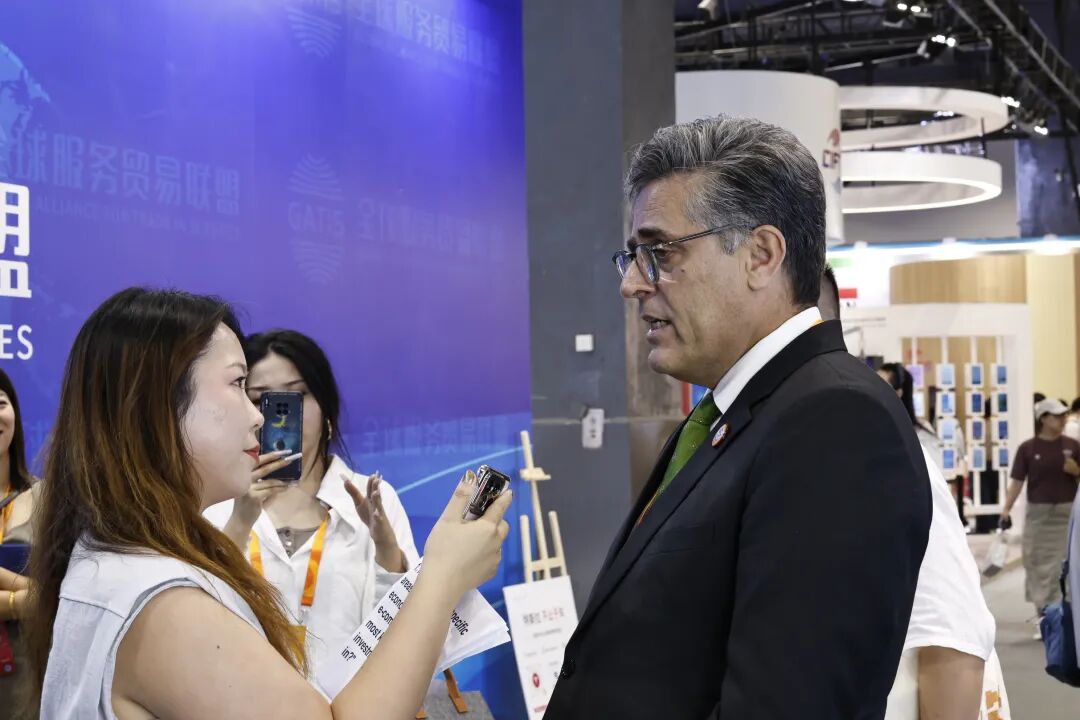
In an interview, Ambassador Khalil Hashmi said: “Pakistan is prioritizing fintech, e-commerce, and artificial intelligence. We look forward to deeper collaboration with Chinese firms to explore market opportunities. Many green and digital technologies already exist for real-world applications to improve industry efficiency at scale. Our country has launched national digital skills training programs to empower youth and apply digital skills to traditional sectors like textiles, agriculture, and mining. CIFTIS is an excellent platform that gathers technology enterprises and solutions providers—from commercial matching to cross-cultural exchange, it bridges collaboration across nations.”
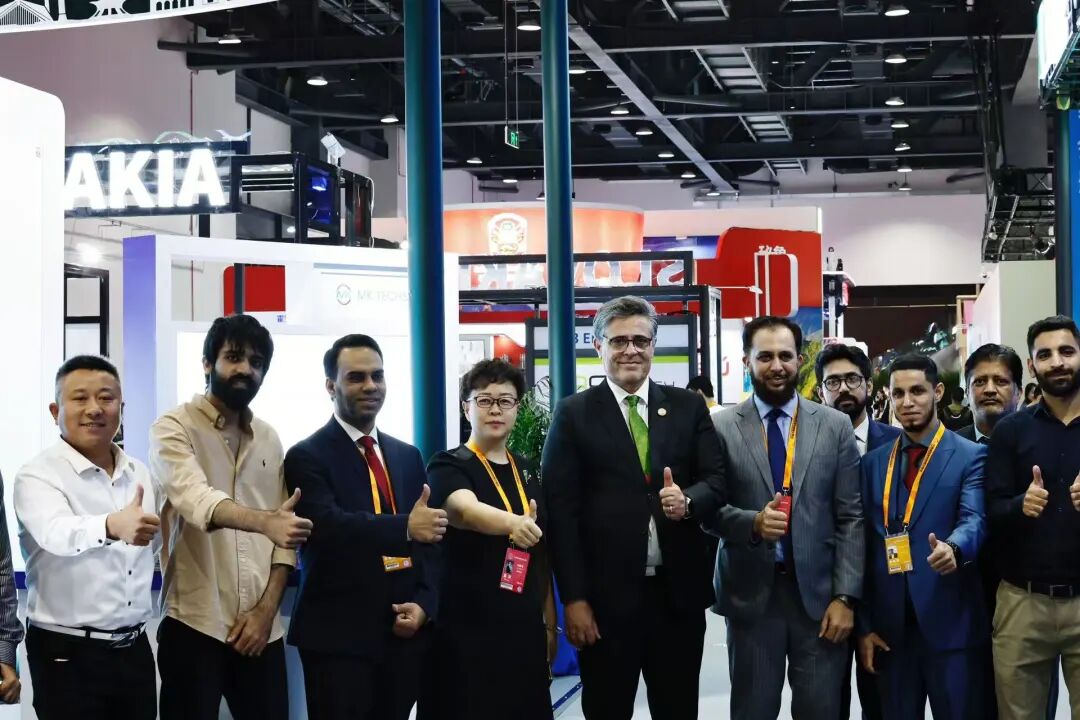
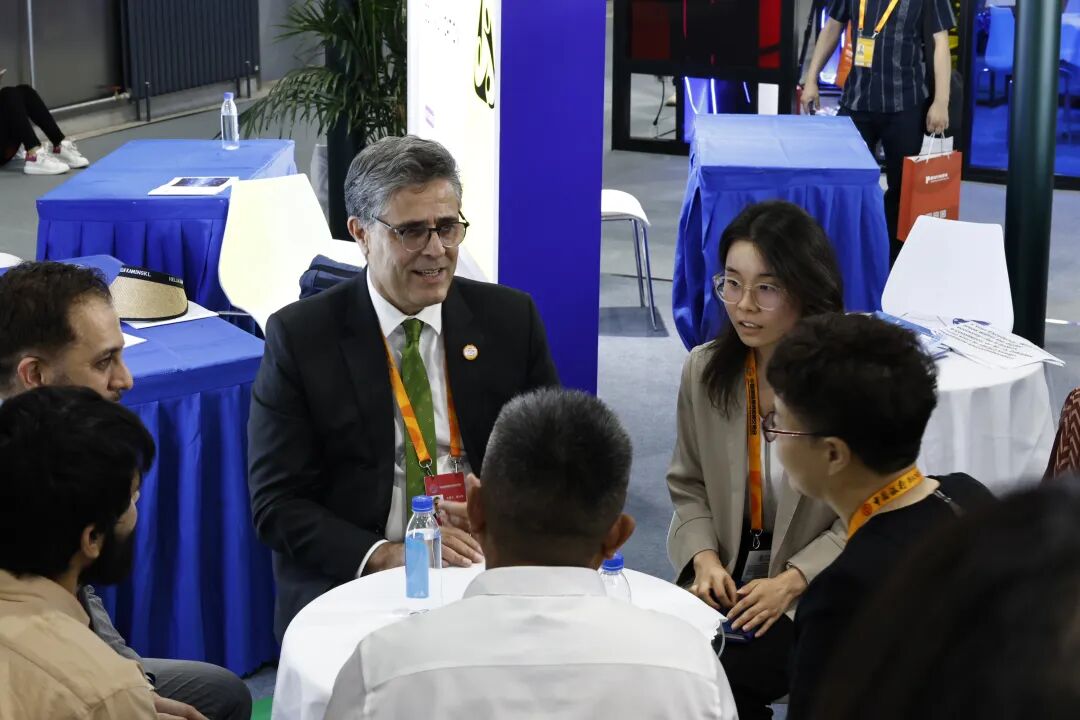
Liu Zhai told the ambassador that as a leading Chinese B2B e-commerce and industrial internet enterprise, IBI has a strong user base and resource integration capability. The company has formed a cross-border industrial belt operation model supported by its platform ecosystem. IBI has proactively established multifaceted cooperation with five Central Asian countries under the Belt and Road initiative, and regards Pakistan as a key partner. The company looks forward to jointly promoting project implementation in areas such as industrial internet, digital trade, smart logistics, and more, supporting the high-quality development of the China–Pakistan Economic Corridor.